

My complicated relationship with the Canon 5D Classic
Back in 2020, in the middle of the pandemic, I bought my first full-frame camera: the Nikon D700. I was impressed by so many things—its hefty, reassuring ergonomics, the way it seemed to command respect for the craft, the simplicity of its RAW files, and those amazing 12 megapixels. The D700 helped me hone my skills in photography. It was unforgiving, precise, and honest. After using it, I began repeating what everyone else on the photography forums said: that this camera has an analog feel, a film-like vibe, and a color rendition like no other.
Somehow, I went deeper into that search for an analog, film-like look in my digital images. Even as a casual film-shooting enthusiast, I thought that was where the purest form of the art lived. And about three years ago, that search led me to the Canon 5D Classic—an almost 20-year-old camera with a full-frame sensor, nearly 13 megapixels, a bulky, curved grip, and a shutter sound that I’m convinced is the reference point for movies and TV shows.
I used to think I’d never buy a Canon camera. But the moment I shot those first few images, everything changed. The look on that old LCD screen was so vintage, so analog, so imperfect, I could hardly believe it. And the real surprise came when I opened the RAW files in Lightroom: they had a unique feel, an ease in the editing process, a dense, almost tactile quality to the image. The files were organic—reminiscent of the D700, but not quite the same. Different. And in some cases… better.



Nevertheless, it’s important not to exaggerate these qualities, as if every single image from the Canon 5D Classic were special, ethereal, or magnificent—because that simply isn’t true. Most of the photos coming out of it can look just as good (or just as ordinary) as those from any other camera. But then, occasionally, when the light aligns, when the composition matters, when inspiration strikes—there are these rare moments when you’re holding the 5DC and something extraordinary happens.
You get an image that feels unfair. A kind of magic. A kind of film-like, miraculous substance that seems to appear only when using this camera.
And that unbelievable feeling becomes even more real once you start editing the RAW files. There’s an ease in the way the colors render, a responsiveness to the Lightroom sliders, as if the camera already knew the look you were aiming for. I’ve tried to replicate that result—again and again—with RAW files from many other cameras. I can get close, but only with a lot more work.
And every time I realize it… it feels unfair.
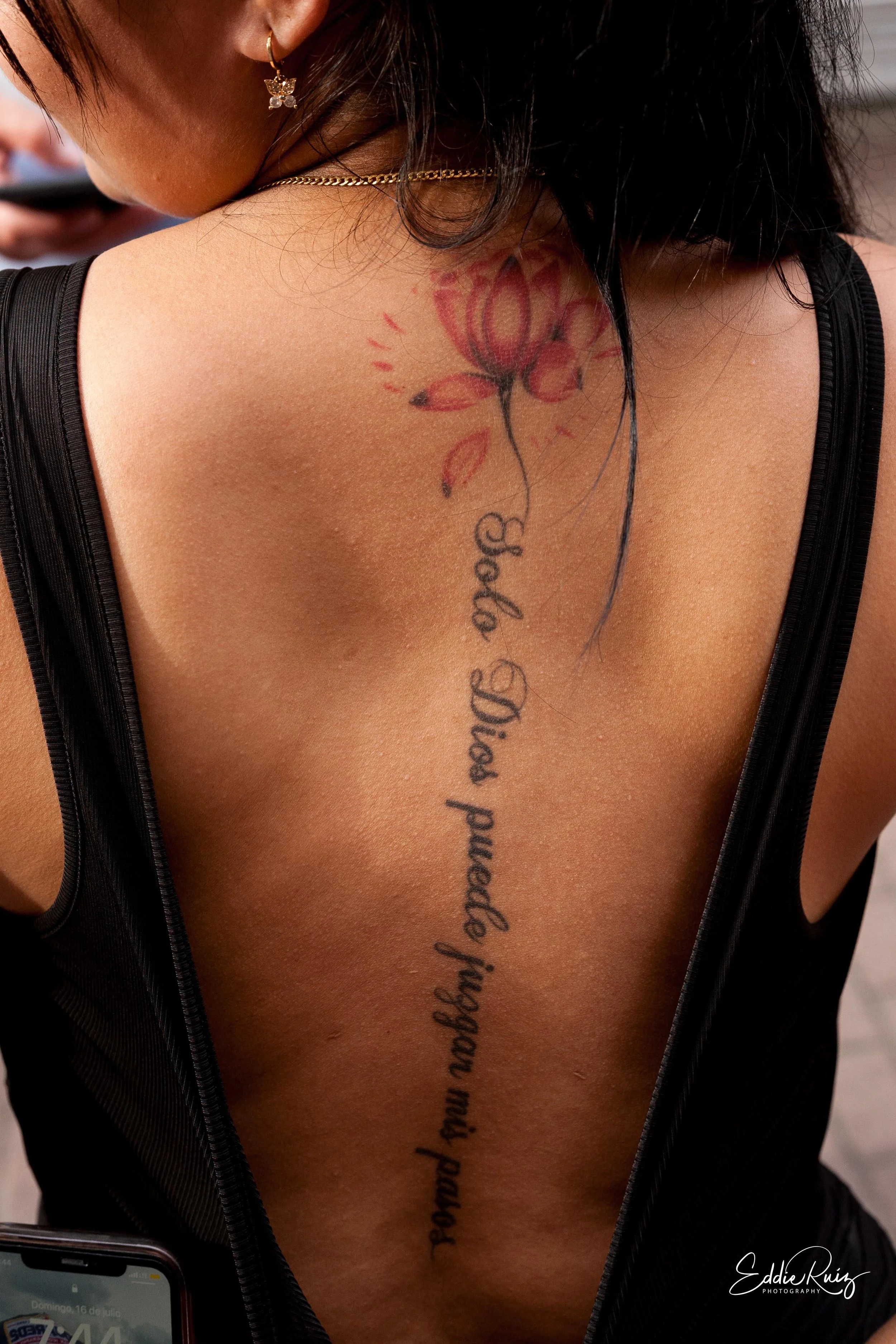


With time and repetition I have been able to anticipate the moments that could bring such magic: under a certain light, not too bright, not too dark, with skin tones in particular the editing is so simple and amazing, and when the sun shines early morning or close to evening the rendering becomes unexpected, nicely unexpected.
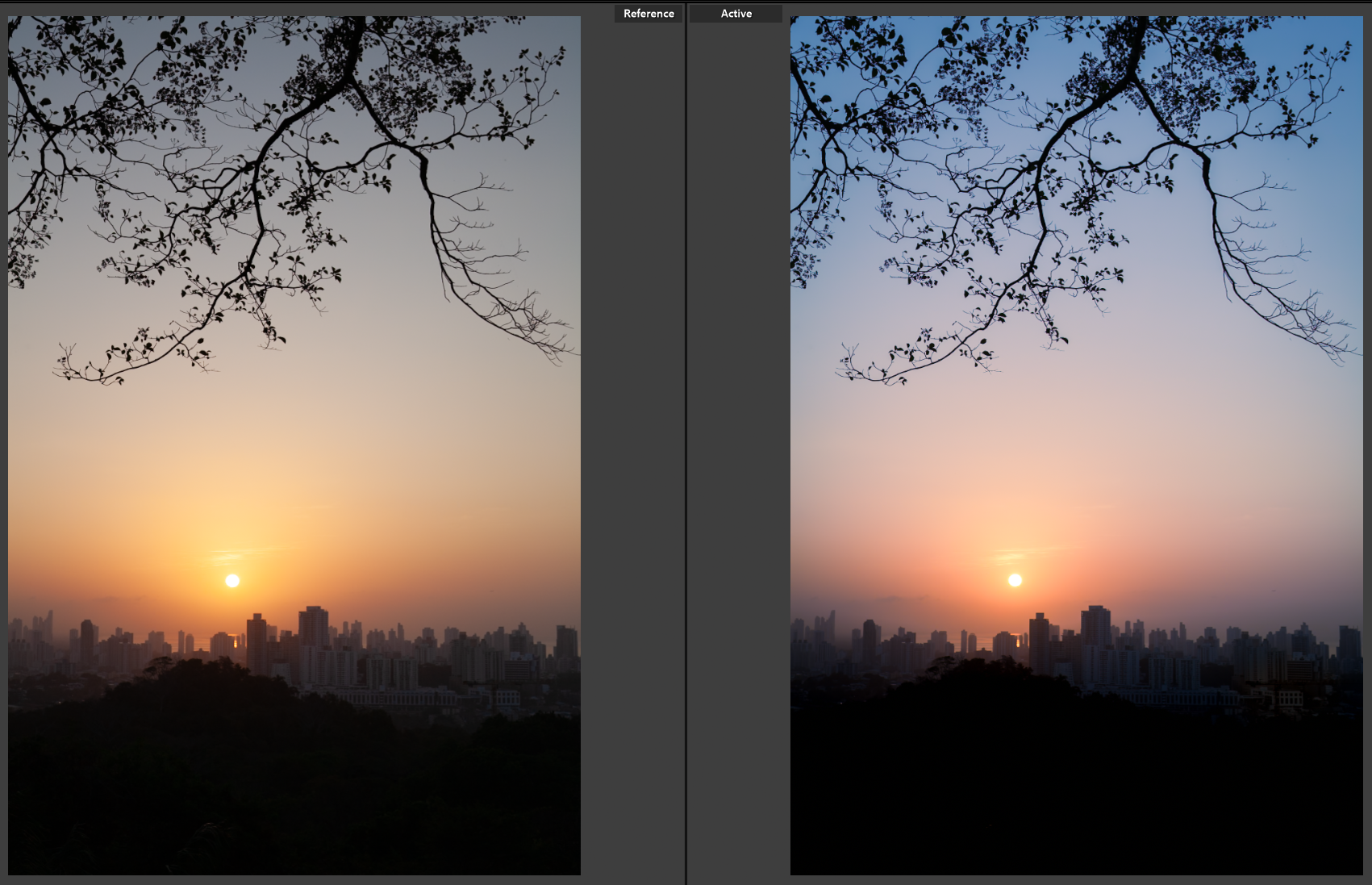
Check out the before and after of the next shot as an example.
Now, in terms of specs, the 5DC is far from perfect. It is a purely photographic machine—one card slot, no Auto ISO, limited high-ISO performance, and dynamic range that wouldn’t impress anyone today. But when you work within those limitations, the camera transforms into an instrument of art.
I love the Nikon D700. It’s precise, predictable, and utterly reliable. It gives you no surprises and no excuses: if the image didn’t work, it’s on you. But the Canon 5D Classic is different. Under certain circumstances, it produces images you never expected to create.
The thing is, I don’t consider myself a Canon shooter. I mostly use Nikon and Fujifilm cameras and lenses. I’ve spent years trying to replicate the 5DC’s results with these systems, coming closest with the first-generation Fujifilm X-Trans sensors in the X-Pro1 and X-E1. And even then, I knew that what I achieved wasn’t magic—it was technique, careful editing, and a deliberate effort to mimic what the 5DC gives naturally.
These experiences with the 5D Classic convinced me, more often than not, to carry it when documenting my family’s life. And that’s where the problem arises. Not every image is groundbreaking. Many could easily be made with smaller, newer cameras. And the weight—well, the weight is a real inconvenience. We go to restaurants and the camera is so large it barely fits on the table. After a while it becomes heavy, uncomfortable, and makes me question how much more I can realistically do with it. I wonder whether I should sell it… or give it away. But then I look at the images. Those images.
And every time, it feels unfair.










With the Canon 5D Classic, I only own a single native lens—the little 50mm f/1.8. Everything else I use on it are adapted vintage Nikon lenses. I can’t justify building a full Canon kit; I don’t know that ecosystem well, and I’m not even sure whether these experiences, this look, could be replicated with newer Canon cameras. I simply don’t know.
So I remain split. Part of me thinks I should keep investing my time and energy in the Nikon and Fujifilm systems I truly understand. But then I pick up the 5D Classic again—the ergonomics, the shutter sound, the buttery RAW files… the magic.
It’s unfair, and honestly, I’m left without words.
